




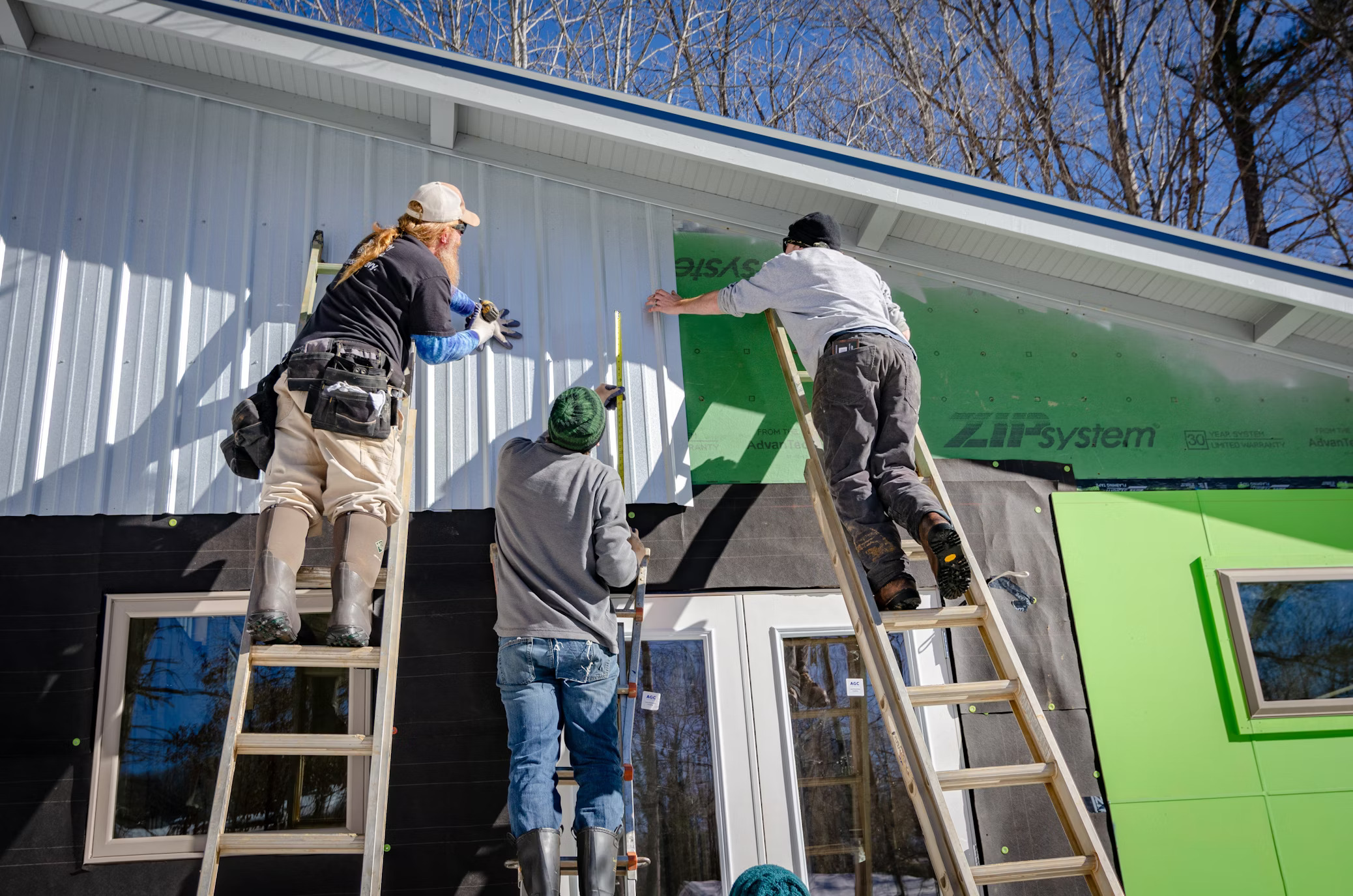
When it comes to constructing or renovating a building, there’s one essential part that often goes unnoticed yet plays a crucial role in the structure’s durability, comfort, and energy efficiency: the building envelope. But what exactly is a building envelope, and why is it so important? Let’s dive into this foundational element to better understand its function and significance.
What is a Building Envelope?
The building envelope is the physical barrier between the interior and exterior of a structure, comprising the walls, roof, windows, doors, foundation, and any other elements that separate the indoor environment from the outside. Think of it as the “skin” of the building. Just like how skin protects the human body, the building envelope shields the interior from various environmental factors, including weather, temperature, and moisture.
Components of the Building Envelope
A building envelope isn’t just a single material; it’s made up of several components that work together. Here are the main elements:
- Roof: Acts as a primary shield against rain, snow, and sun.
- Walls: Provide structural support and insulation, keeping the indoor temperature stable.
- Windows and Doors: Allow light and ventilation while maintaining energy efficiency and security.
- Foundation: Supports the building’s weight and provides a barrier against ground moisture.
- Air and Vapor Barriers: Thin layers within walls that prevent unwanted airflow and moisture penetration.
Each component must be properly designed and constructed for the building envelope to function effectively.
Why is the Building Envelope Important?
A well-designed building envelope provides several essential benefits:
1. Energy Efficiency and Cost Savings
The building envelope plays a significant role in regulating indoor temperatures. When the envelope is well-sealed and properly insulated, it reduces the need for heating in the winter and cooling in the summer. A tight envelope can help prevent drafts, maintain consistent temperatures, and reduce energy bills by lowering the demand on HVAC systems.
2. Moisture Control and Damage Prevention
Moisture is one of the biggest threats to any building. Water infiltration through leaks, condensation, or ground moisture can lead to mold growth, wood rot, corrosion, and structural damage. By creating a barrier that prevents water from entering and managing moisture inside, the building envelope protects the building from damage and promotes a healthier indoor environment.
3. Comfort and Indoor Air Quality
A comfortable building isn’t just about temperature; it’s also about controlling humidity and airflow. Drafts and uncontrolled moisture can make spaces feel uncomfortable and even create health issues over time. A well-designed building envelope minimizes drafts and maintains consistent humidity levels, which is essential for both comfort and air quality.
4. Durability and Lifespan of the Building
Investing in a high-quality building envelope can extend the life of a structure. By protecting against weather, pests, and pollutants, it prevents wear and tear on the building’s structure and materials. A strong, durable envelope means fewer repairs and maintenance over the years, making it a wise investment.
Key Factors in Designing an Effective Building Envelope
When designing or improving a building envelope, there are several key factors to consider:
1. Climate
The local climate is crucial when choosing materials and design features for a building envelope. For example, in colder climates, more insulation and high-performance windows may be necessary, while in warmer areas, shading and reflective roofing materials could be prioritized.
2. Materials
Choosing the right materials is essential for a successful building envelope. High-quality insulation, durable siding, energy-efficient windows, and waterproof membranes can all contribute to better energy performance, comfort, and durability. Using materials that suit the climate and environment of the building can make a significant difference.
3. Proper Sealing
To maintain an airtight building envelope, all seams, joints, and openings should be properly sealed. This includes windows, doors, and even small penetrations like pipes and cables. Proper sealing prevents air leaks and reduces energy loss.
4. Ventilation
While sealing the building envelope is important, controlled ventilation is also necessary. Without ventilation, indoor air can become stale or humid. Incorporating energy-efficient ventilation systems, such as heat recovery ventilators (HRVs), allows fresh air to circulate without compromising energy efficiency.
Common Building Envelope Problems to Watch For
Over time, building envelopes can develop issues that may compromise their effectiveness. Here are a few common problems and what to look out for:
- Drafts and Cold Spots: These can indicate gaps in the insulation or poor sealing around windows and doors.
- Water Leaks or Staining: Water stains on walls or ceilings may signal a breach in the envelope that’s allowing moisture in.
- Condensation on Windows or Walls: Persistent condensation can mean that there’s an imbalance in temperature and humidity control.
- Visible Mold Growth: If mold is present indoors, moisture may be seeping in through a compromised envelope, creating a health hazard.
Addressing these issues promptly can prevent them from escalating and protect the building’s structure and interior spaces.
Maintaining and Improving Your Building Envelope
Maintenance is essential for keeping the building envelope in good condition. Here are a few maintenance tips:
- Inspect Regularly: Check for any visible damage to walls, roofs, windows, and doors, especially after extreme weather events.
- Seal Gaps and Cracks: Even small cracks can lead to air and water infiltration over time. Seal them promptly.
- Clean and Repair Gutters: Clogged gutters can lead to water buildup that may damage the envelope.
- Consider Upgrades: If your building is older, consider upgrading insulation, windows, or other envelope components to enhance energy efficiency.
Conclusion
The building envelope may not be the most glamorous part of a structure, but it’s one of the most important. By protecting the interior from the elements, controlling energy flow, and maintaining indoor comfort, a well-designed envelope supports a building’s health, sustainability, and longevity. Whether you’re building from scratch, renovating, or simply maintaining a home, taking care of the building envelope is key to a safe, comfortable, and efficient space.
One response to “The Importance of Building Envelopes: Protecting Your Space from the Elements”
Hi, this is a comment.
To get started with moderating, editing, and deleting comments, please visit the Comments screen in the dashboard.
Commenter avatars come from Gravatar.